Recovery Resources & Blog

Expert insights, recovery guidance, and the latest updates from our addiction treatment team in Northridge, California. Knowledge is the first step toward lasting change.

Recognizing opioid addiction signs in Northridge families
Addiction Information

Recognizing the Signs of Opioid Addiction: What Northridge Families Should Know

The opioid epidemic continues to impact communities across Southern California. Learn the behavioral and physical warning signs that may indicate a loved one is struggling with opioid dependency.

Read Full Article
January 10, 2026
Early recovery tips from MSH Treatment clinical experts
Recovery Tips

5 Essential Tips for Early Recovery from MSH Treatment Experts

The first weeks and months of sobriety can be the most challenging. Our clinical team shares five proven strategies that help clients build a strong foundation during the critical early recovery phase.

Read Full Article
January 22, 2026
Supporting a loved one through addiction recovery in California
Family Support

How to Support a Loved One Struggling with Addiction in California

Watching someone you love battle addiction is heartbreaking. This guide offers practical, compassionate steps families can take to provide meaningful support while also protecting their own well-being.

Read Full Article
February 3, 2026
Dual diagnosis treatment for addiction and mental health at MSH Treatment
Mental Health

Understanding Dual Diagnosis Treatment at MSH Treatment

Nearly half of individuals with substance use disorders also experience co-occurring mental health conditions. Discover how our integrated dual diagnosis program addresses both issues simultaneously for lasting recovery.

Read Full Article
February 12, 2026
New spring wellness programs at MSH Treatment Northridge campus
News & Updates

MSH Treatment Welcomes New Spring Wellness Programs in Northridge

We are excited to announce expanded wellness offerings at our Northridge campus this spring, including outdoor meditation sessions, horticultural therapy, and new fitness programming designed to complement clinical treatment.

Read Full Article
February 20, 2026
Northridge family discussing opioid addiction warning signs

Recognizing the Signs of Opioid Addiction: What Northridge Families Should Know

The opioid crisis has left no community untouched, and Northridge is no exception. From prescription painkillers to synthetic opioids, the prevalence of these substances has created a public health emergency that demands awareness from every family. At MSH Treatment, our clinical team works with individuals and families every day who are navigating the devastating effects of opioid use disorder, and we believe that early recognition is one of the most powerful tools available.

Physical Warning Signs

Opioid addiction often reveals itself through noticeable physical changes. Constricted or "pinpoint" pupils, even in low light, are among the most telling indicators. Frequent drowsiness or nodding off at unusual times, sudden weight loss, and a general decline in personal hygiene are additional red flags. You may also observe frequent flu-like symptoms such as nausea, sweating, or body aches, particularly when the individual has not used in several hours. These withdrawal symptoms can appear within just eight to twelve hours of the last dose.

Behavioral and Emotional Indicators

Beyond the physical signs, opioid addiction frequently produces significant behavioral shifts. A person who was once reliable may begin missing work, school, or family commitments. Social withdrawal is common, as individuals increasingly isolate themselves or gravitate toward new peer groups. Financial irregularities, including unexplained expenses, missing money, or sudden requests to borrow funds, can signal that substance use is escalating. Mood swings, irritability, and secretive behavior about whereabouts or daily activities are also consistent patterns our clinicians observe.

What Families Can Do

If you recognize these signs in a loved one, the most important step is to approach the situation with compassion rather than confrontation. Addiction is a medical condition, not a moral failing, and shame-based interventions often backfire. Begin by educating yourself about opioid use disorder so that your conversations are informed and empathetic. Document the specific behaviors that concern you, as this can be helpful when speaking with treatment professionals.

We encourage Northridge families to reach out to our admissions team for a confidential assessment. Our facility on Parthenia Street offers comprehensive evaluation, medical detox, and individualized treatment plans designed to address the unique circumstances of each client. Early intervention dramatically improves outcomes, and our experienced staff can guide you through every step of the process, from that first difficult conversation to long-term aftercare planning.

Recovery is possible, and it often begins with a family member who cares enough to pay attention and take action. If you suspect opioid addiction, do not wait for a crisis. Contact MSH Treatment at (209) 593-1790 to speak with a member of our clinical team today.

Individual practicing early recovery strategies at treatment center

5 Essential Tips for Early Recovery from MSH Treatment Experts

The first ninety days of sobriety are widely considered the most vulnerable period in the recovery journey. During this time, the body is still adjusting to life without substances, emotions can feel overwhelming, and the habits that once revolved around drug or alcohol use are being dismantled and rebuilt. At MSH Treatment, our therapists and counselors have guided thousands of individuals through this critical phase, and we have identified five strategies that consistently make a meaningful difference.

1. Build a Structured Daily Routine

Addiction thrives in unstructured time. One of the first things we establish with every client at our Northridge campus is a daily schedule that includes wake times, meals, therapy sessions, physical activity, personal reflection, and rest. A structured routine reduces the decision fatigue that can lead to impulsive choices and creates a sense of stability that many individuals in early recovery have not experienced in years. Even after leaving our residential program, maintaining a consistent daily framework is essential for sustained sobriety.

2. Lean Into Your Support Network

Isolation is one of the greatest threats to early recovery. Whether it is a twelve-step fellowship, a sober living community, a trusted therapist, or family members who understand your journey, surrounding yourself with supportive people provides accountability and encouragement when motivation wavers. Our outpatient programs at MSH Treatment are specifically designed to keep clients connected to their clinical team and peer community during the transition from residential care to independent living.

3. Prioritize Physical Health

Substance use takes a profound toll on the body, and physical recovery is inseparable from emotional recovery. Regular exercise, even moderate walking or yoga, releases endorphins that naturally improve mood and reduce cravings. Proper nutrition replenishes the vitamins and minerals depleted by addiction, and consistent sleep patterns help regulate the neurochemistry that was disrupted by substance use. At MSH Treatment, our wellness programming integrates fitness, nutrition counseling, and sleep hygiene education into every client's treatment plan.

4. Develop Healthy Coping Mechanisms

Before treatment, substances served as the primary coping mechanism for stress, anxiety, boredom, or emotional pain. In early recovery, it is critical to replace that mechanism with healthier alternatives. Mindfulness meditation, journaling, creative expression, deep breathing exercises, and spending time in nature are all evidence-based practices that our clinical team teaches during treatment. The goal is to build a diverse toolkit of coping strategies so that no single trigger can derail your progress.

5. Be Patient with Yourself

Recovery is not linear. There will be difficult days, emotional setbacks, and moments of doubt. What matters is not perfection but persistence. At MSH Treatment, we teach clients to view recovery as a lifelong process of growth rather than a destination to be reached. Self-compassion, honesty, and a willingness to ask for help when needed are the qualities that sustain long-term sobriety. If you are in early recovery and need additional support, our aftercare and alumni programs are always here to help. Call us at (209) 593-1790.

Family members supporting a loved one during addiction recovery

How to Support a Loved One Struggling with Addiction in California

When someone you love is struggling with addiction, the emotional weight can feel unbearable. You may feel helpless, angry, frightened, or all three at once. Families across California face this reality every day, and at MSH Treatment, we work closely with family members because we understand that addiction is a disease that affects the entire household. Supporting a loved one through this crisis requires a balance of compassion, boundaries, and self-care that can be difficult to achieve without guidance.

Educate Yourself About Addiction

The first step in becoming an effective support system is understanding that addiction is a chronic medical condition rooted in changes to brain chemistry and neural pathways. It is not a choice, a character flaw, or a sign of weakness. When families internalize this truth, conversations become less accusatory and more productive. We encourage family members to read about substance use disorders from reputable medical sources, attend educational workshops, and speak with treatment professionals who can answer specific questions about your loved one's situation.

Communicate with Compassion, Not Confrontation

The way you approach a loved one about their addiction can significantly impact their willingness to seek treatment. Avoid ultimatums, accusations, or conversations held during moments of crisis or intoxication. Instead, choose a calm, private setting and use "I" statements to express your concern: "I have noticed changes that worry me" rather than "You are ruining your life." Let them know that you are coming from a place of love and that professional help is available. Our admissions team at MSH Treatment can help you prepare for this conversation and even participate in a structured family intervention if needed.

Set Healthy Boundaries

Supporting a loved one does not mean enabling their addiction. Enabling behaviors include covering up their substance use, lending money without accountability, making excuses for missed obligations, or taking on responsibilities that are rightfully theirs. Setting clear boundaries protects your own well-being and creates natural consequences that can motivate your loved one to seek treatment. A licensed family therapist or interventionist can help you identify where enabling may be occurring and guide you in establishing firm but loving limits.

Take Care of Yourself

Caregiver burnout is a real and serious concern for families dealing with addiction. You cannot pour from an empty cup. Prioritize your own physical and mental health through regular exercise, adequate sleep, healthy eating, and activities that bring you joy. Consider joining a support group such as Al-Anon or Nar-Anon, where you can connect with others who understand your experience. Individual therapy can also provide a safe space to process the grief, anger, and exhaustion that often accompany loving someone with a substance use disorder.

At MSH Treatment in Northridge, our family programming is an integral part of every client's recovery plan. We offer family therapy sessions, educational workshops, and communication skills training to help rebuild trust and strengthen relationships during and after treatment. If your family needs support, call us at (209) 593-1790 to learn more about our comprehensive approach.

Dual diagnosis treatment session at MSH Treatment facility

Understanding Dual Diagnosis Treatment at MSH Treatment

According to the Substance Abuse and Mental Health Services Administration, approximately 9.2 million adults in the United States experience both a substance use disorder and a mental health condition simultaneously. This overlap, clinically known as a co-occurring disorder or dual diagnosis, presents unique challenges that require specialized, integrated treatment. At MSH Treatment in Northridge, our dual diagnosis program is designed to address both conditions at the same time, because treating one without the other dramatically increases the risk of relapse.

What Is Dual Diagnosis?

A dual diagnosis occurs when an individual meets the clinical criteria for both a substance use disorder and at least one mental health condition. The most common co-occurring pairings we see at our Northridge facility include alcohol use disorder with depression, opioid addiction with anxiety disorders, stimulant use with bipolar disorder, and polysubstance abuse with post-traumatic stress disorder. These conditions are deeply interconnected: mental health symptoms often drive substance use as a form of self-medication, while chronic substance use can trigger or worsen psychiatric symptoms, creating a self-reinforcing cycle that is extremely difficult to break without professional help.

Our Integrated Treatment Approach

At MSH Treatment, we reject the outdated model that treats addiction and mental health in separate silos. Our clinical team, which includes board-certified psychiatrists, licensed psychologists, addiction medicine physicians, and master's-level therapists, collaborates from the moment of intake to develop a unified treatment plan. This integrated approach means that every therapy session, medication decision, and clinical intervention is informed by both diagnoses. Clients receive individual psychotherapy, psychiatric medication management when appropriate, cognitive behavioral therapy, dialectical behavior therapy, trauma-focused EMDR therapy, and group counseling, all within a single, coordinated program.

Why Integrated Care Matters

Research consistently demonstrates that individuals with co-occurring disorders who receive integrated treatment have significantly better outcomes than those who receive sequential or parallel treatment from different providers. When addiction and mental health are addressed in tandem by the same clinical team, medication interactions are carefully monitored, therapeutic goals are aligned, and the risk of falling through the cracks between disconnected systems is eliminated. At MSH Treatment, our clients benefit from this continuity of care throughout every phase of treatment, from medical detox through residential programming and into outpatient aftercare.

If you or someone you love is dealing with both addiction and a mental health condition, our dual diagnosis program may be the right fit. Contact MSH Treatment at (209) 593-1790 to schedule a confidential clinical assessment at our Northridge campus. Early, integrated treatment can fundamentally change the trajectory of recovery.

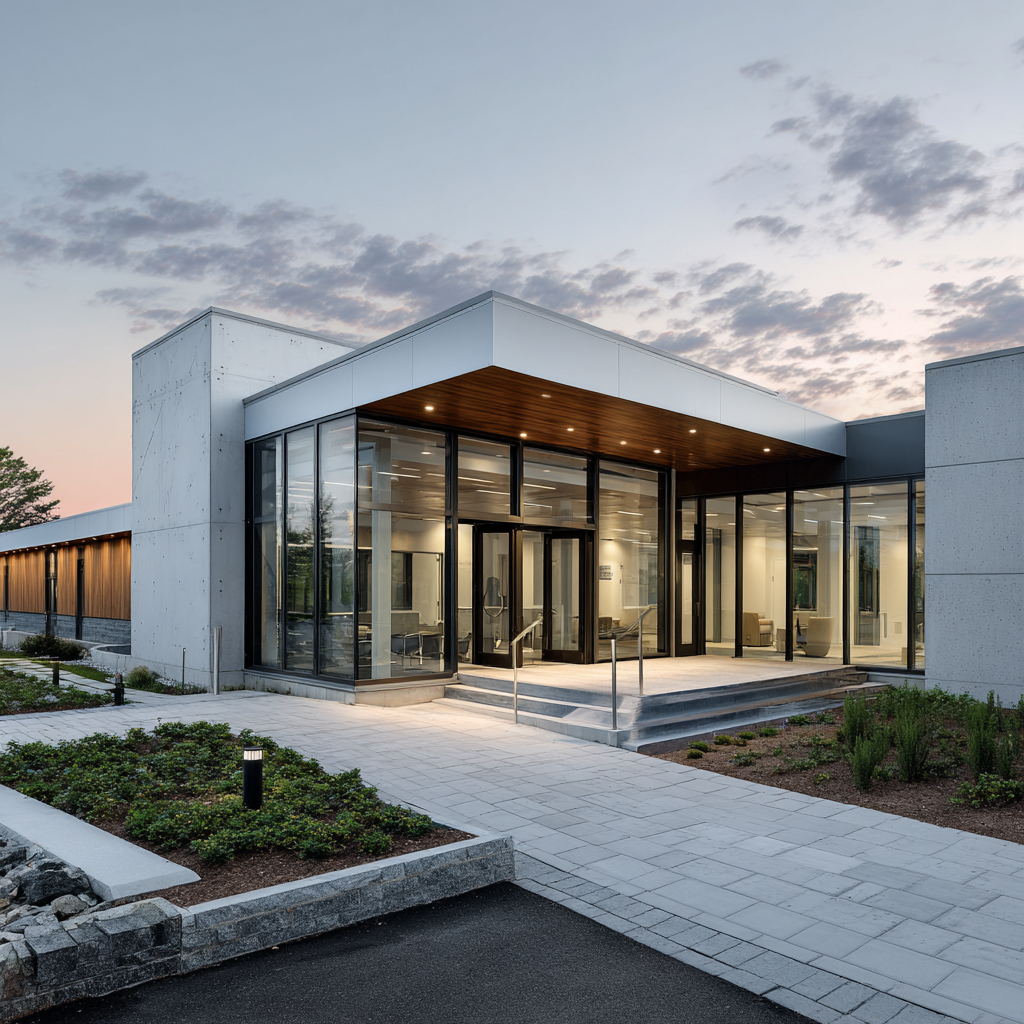
New spring wellness programs at MSH Treatment Northridge

MSH Treatment Welcomes New Spring Wellness Programs in Northridge

As the days grow longer and warmer in Southern California, MSH Treatment is excited to announce an expanded slate of wellness programming at our Northridge campus for spring 2026. These new offerings reflect our commitment to treating the whole person, not just the addiction, by integrating holistic healing modalities that support physical vitality, emotional resilience, and spiritual growth alongside our evidence-based clinical therapies.

Outdoor Meditation and Mindfulness Sessions

Beginning in March, clients in our residential and outpatient programs will have access to daily guided meditation sessions held in our newly renovated therapeutic garden. Led by certified mindfulness instructors, these sessions incorporate breathwork, body scanning, and walking meditation techniques that have been shown to reduce cortisol levels, lower anxiety, and improve emotional regulation. The natural setting of our Northridge campus, with its mature landscaping and quiet outdoor spaces, provides an ideal environment for cultivating the present-moment awareness that is so essential to sustained recovery.

Horticultural Therapy

We are also introducing a horticultural therapy program in partnership with a licensed horticultural therapist. Clients will participate in hands-on gardening activities including planting, cultivating, and harvesting in raised beds on our campus grounds. Research published in the Journal of Therapeutic Horticulture has demonstrated that gardening-based interventions reduce symptoms of depression and anxiety, improve self-esteem, and provide a healthy source of accomplishment and routine. For individuals in early recovery, the act of nurturing a living thing can be a powerful metaphor for their own healing process.

Enhanced Fitness Programming

Our wellness center is expanding its fitness schedule to include new classes in yoga flow, strength training, and low-impact cardiovascular conditioning. Every class is designed to be accessible to individuals at all fitness levels, with modifications provided by our certified trainers. Physical exercise is a cornerstone of our treatment philosophy because it naturally stimulates the production of endorphins and serotonin, neurotransmitters that play a critical role in mood regulation and are often depleted by chronic substance use. Clients who engage in regular physical activity during treatment consistently report improved sleep quality, reduced cravings, and greater overall well-being.

Creative Expression Workshops

Rounding out the spring programming are weekly creative expression workshops that include art therapy, music exploration, and journaling circles. These sessions provide clients with additional outlets for processing emotions that may be difficult to articulate through traditional talk therapy alone. Our art therapist guides participants through structured creative exercises that promote self-reflection, emotional expression, and stress relief in a supportive, non-judgmental group setting.

All new spring programs are available to current and incoming clients at no additional cost. If you would like to learn more about these offerings or begin the admissions process, please contact MSH Treatment at (209) 593-1790. Our Northridge campus is ready to welcome you this spring.

Need Help Now?

If you or a loved one is struggling with addiction, our admissions team at MSH Treatment in Northridge is available 24 hours a day, 7 days a week. Every conversation is confidential, compassionate, and judgment-free.

Call Now Start Admissions